Classic Books. Modern Language.
Many of the most important books ever written are incredibly difficult to read. The ideas in them aren't the problem. It's that the language is often almost impenetrable.
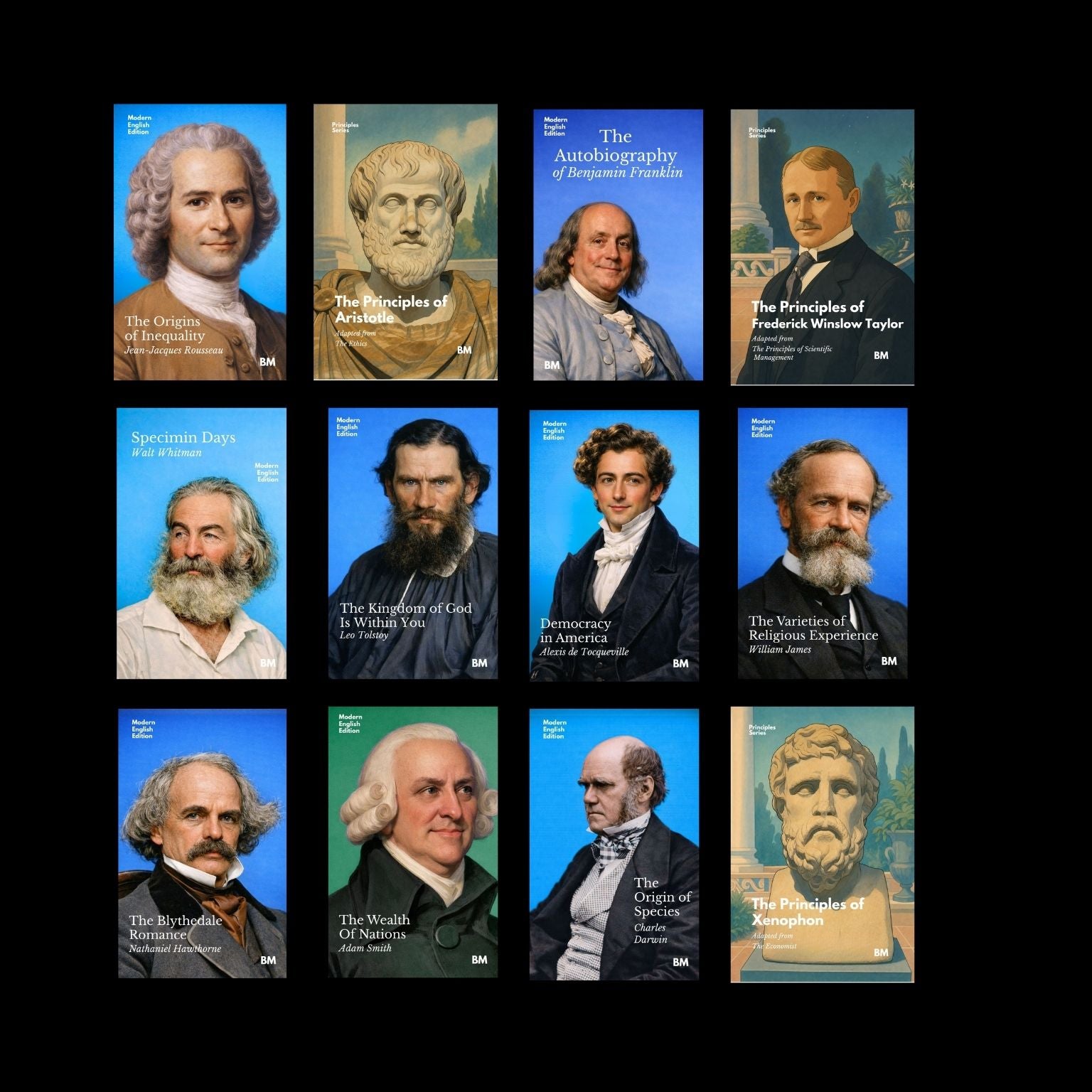
So we rewrote them. Our brand new Modern Editions are in clear contemporary English. Discover the immense power of these works in language you can actually understand.
Check out the before/after examples below to see for yourself the new clarity and readability of our Modern English editions.
Also sign up for our free Principle PDFs. We'll periodically send you the distilled wisdom and advice from newly modernized classic books.
Modernization Examples
To see how much clearer and easier to understand our modernized books are, check out the before and after examples below. We think you'll find we strive to preserve all meaning and detail of the original texts, while making the language far more accessible.
Original
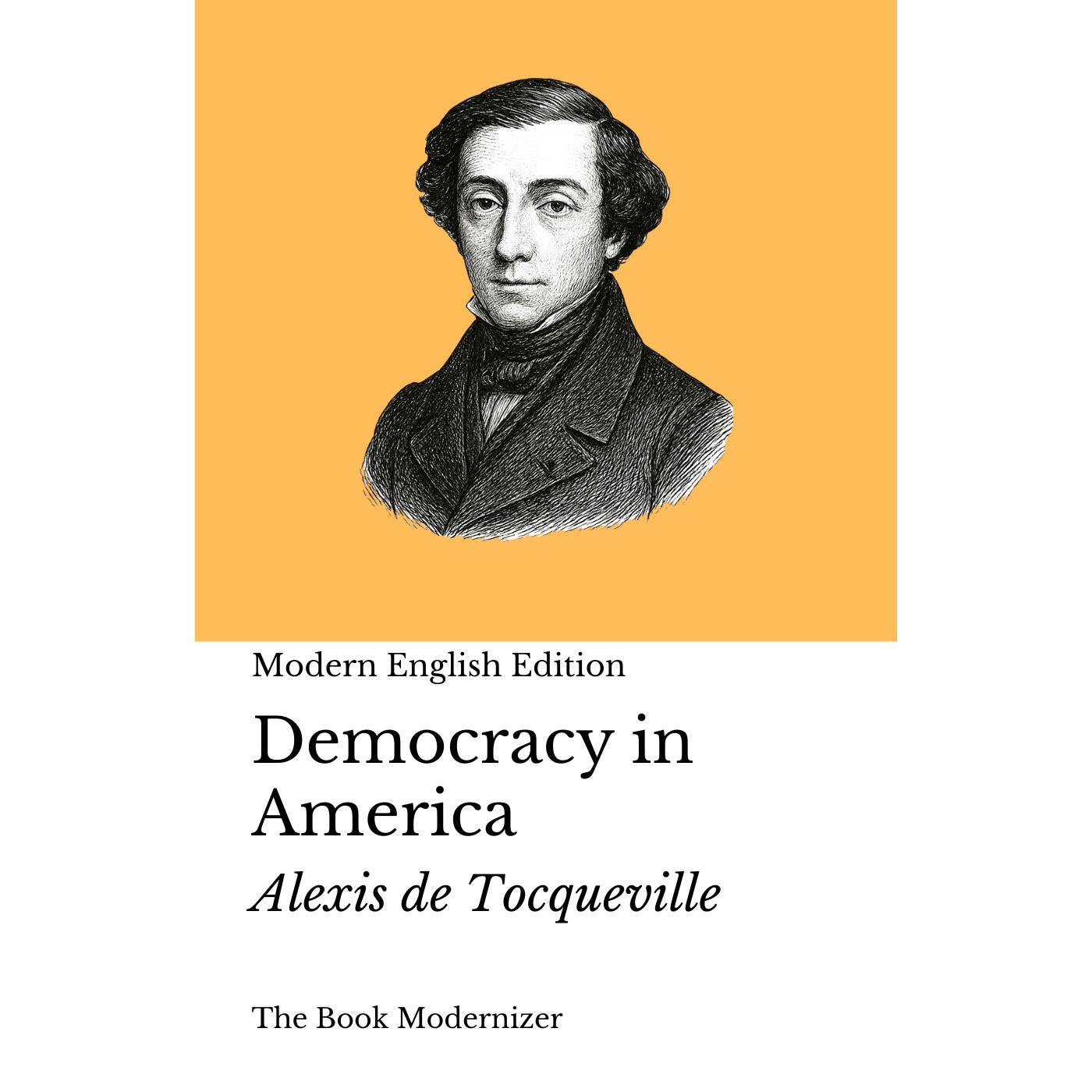
Amongst the novel objects that attracted my attention during my stay in the United States, nothing struck me more forcibly than the general equality of conditions. I readily discovered the prodigious influence which this primary fact exercises on the whole course of society, by giving a certain direction to public opinion, and a certain tenor to the laws; by imparting new maxims to the governing powers, and peculiar habits to the governed.
Modernized
During my visit to the United States, I was especially struck by one thing above all others: the widespread equality among people. I quickly realized how much this basic fact shapes every part of society. It influences public opinion and the laws. It gives governments new rules to follow and encourages new habits among citizens.
Original
That all our knowledge begins with experience there can be no doubt. For how is it possible that the faculty of cognition should be awakened into exercise otherwise than by means of objects which affect our senses, and partly of themselves produce representations, partly rouse our powers of understanding into activity, to compare to connect, or to separate these, and so to convert the raw material of our sensuous impressions into a knowledge of objects, which is called experience? In respect of time, therefore, no knowledge of ours is antecedent to experience, but begins with it.
Modernized
It's safe to say that all our knowledge begins with experience. How else could our ability to think and understand be ignited, if not through objects influencing our senses? These things create mental images, or "representations," and also incite our minds to start understanding - to compare, combine or separate these images. This process turns our raw emotional reactions into understanding of the world, which we call "experience." We don't have any knowledge before we have experience. Our learning starts from having experiences.
Audiobooks
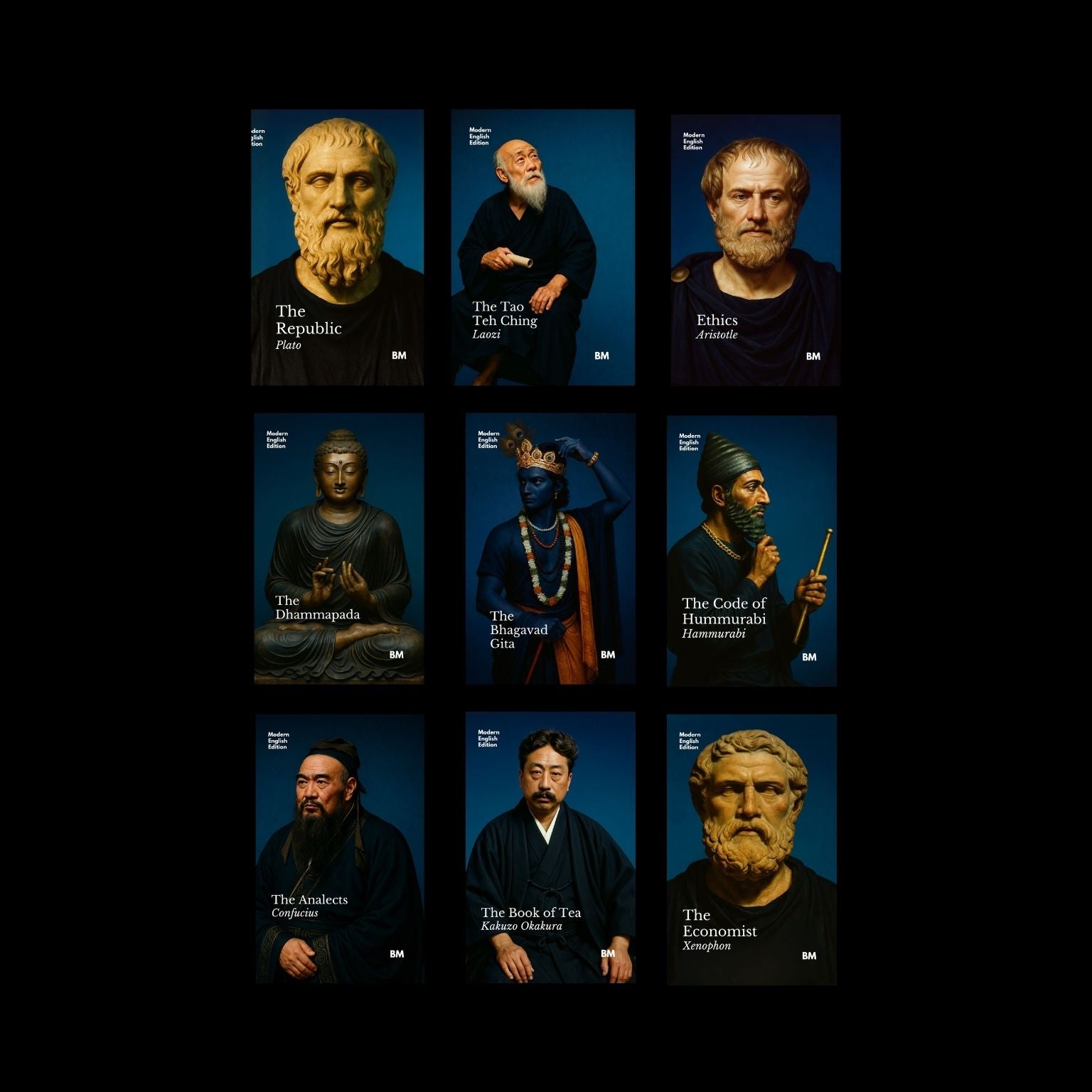
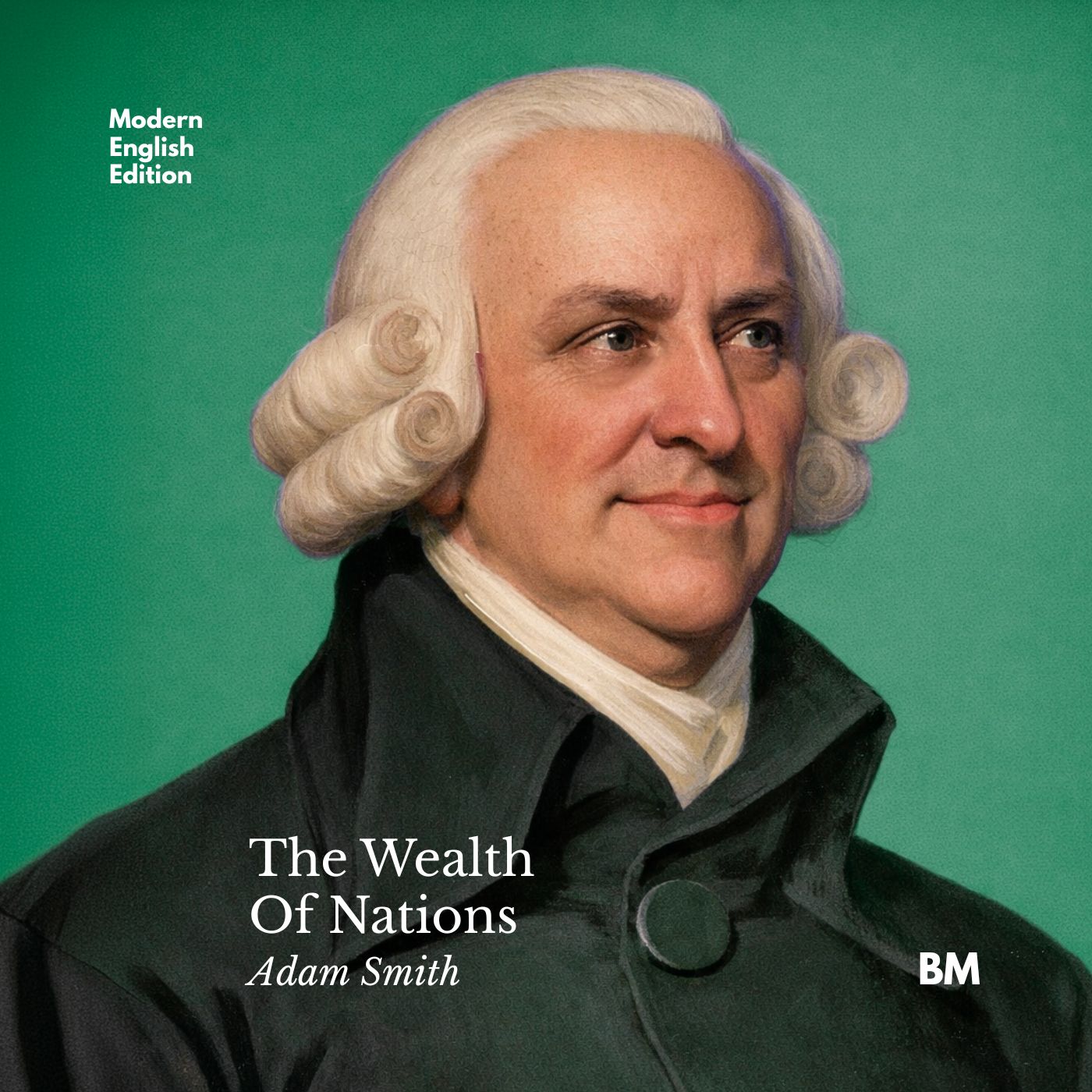
We also produce high-quality Modern English audiobooks. Check out the sample below.
Begin Here
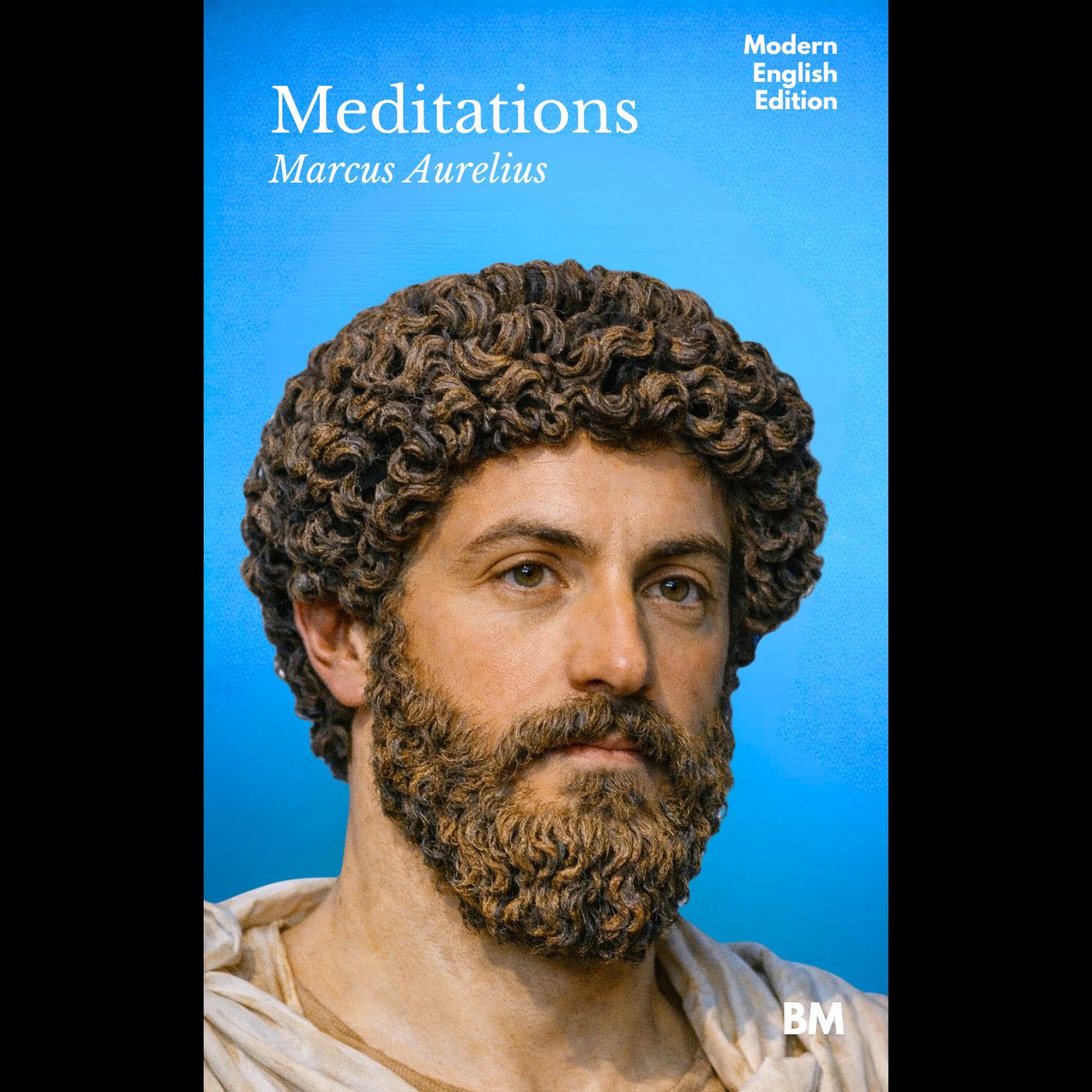
These Modern Editions are available now on Amazon. We're adding new books all the time, so check back often.
Original Essays
Essays on the books, their authors, and the strange history of ideas.